Institut de Recherche en Astrophysique et Planétologie
Observer et comprendre l'Univers
Who are we ?
IRAP teams work on the study and understanding of the Universe and its content: the Earth as a planet, its ionized spatial environment, the sun and its planets, the stars and their planetary systems, the interstellar environment, galaxies, compact objects, the very first stars and the primordial Big Bang. This is done through observation, modeling and theory, instrumentation and laboratory experiments.
With a staff of technical personnel qualified in the field of design, construction, integration and operation of instruments on the ground and in space, IRAP is a major center of instrumentation in astrophysics , at an international level. He also participates in numerous national observation services (SNO) of INSU.
This Joint Research Unit (JRU 5277) is affiliated with the National Center for Scientific Research (CNRS), Paul Sabatier University – Toulouse III (UPS), and also has the supervision of the National Center for Space Studies (CNES). It is also a member of the Midi-Pyrénées Observatory (OMP).
Last news
Conference Magnetospheres of Outer Planets, Toulouse, 26-31 July 2026
The conference Magnetosphere of Outer Planets (MOP) brings together every two years international experts to present and discuss ongoing researches about the magnetospheres of planets in the outer solar system […]
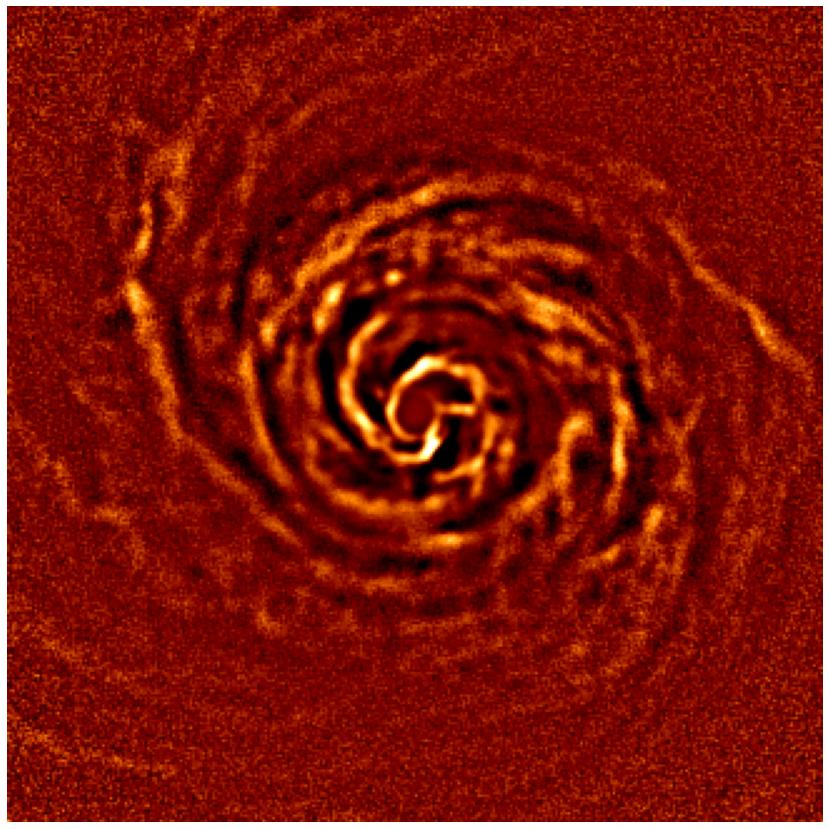
First ever live observation of the rotation of a planetary nursery
The rotation of a protoplanetary disc (a disc where planets are being formed) has been observed directly for the very first time by mapping the emissions from the dust grains […]
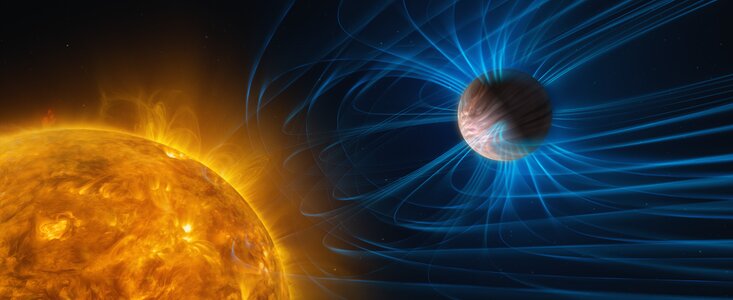
Strange winds reveal strongest hints yet of magnetic activity in exoplanets
A team of astronomers has found the strongest evidence yet that some planets outside our Solar System may be magnetic. Using the European Southern Observatory’s Very Large Telescope (ESO’s VLT) […]
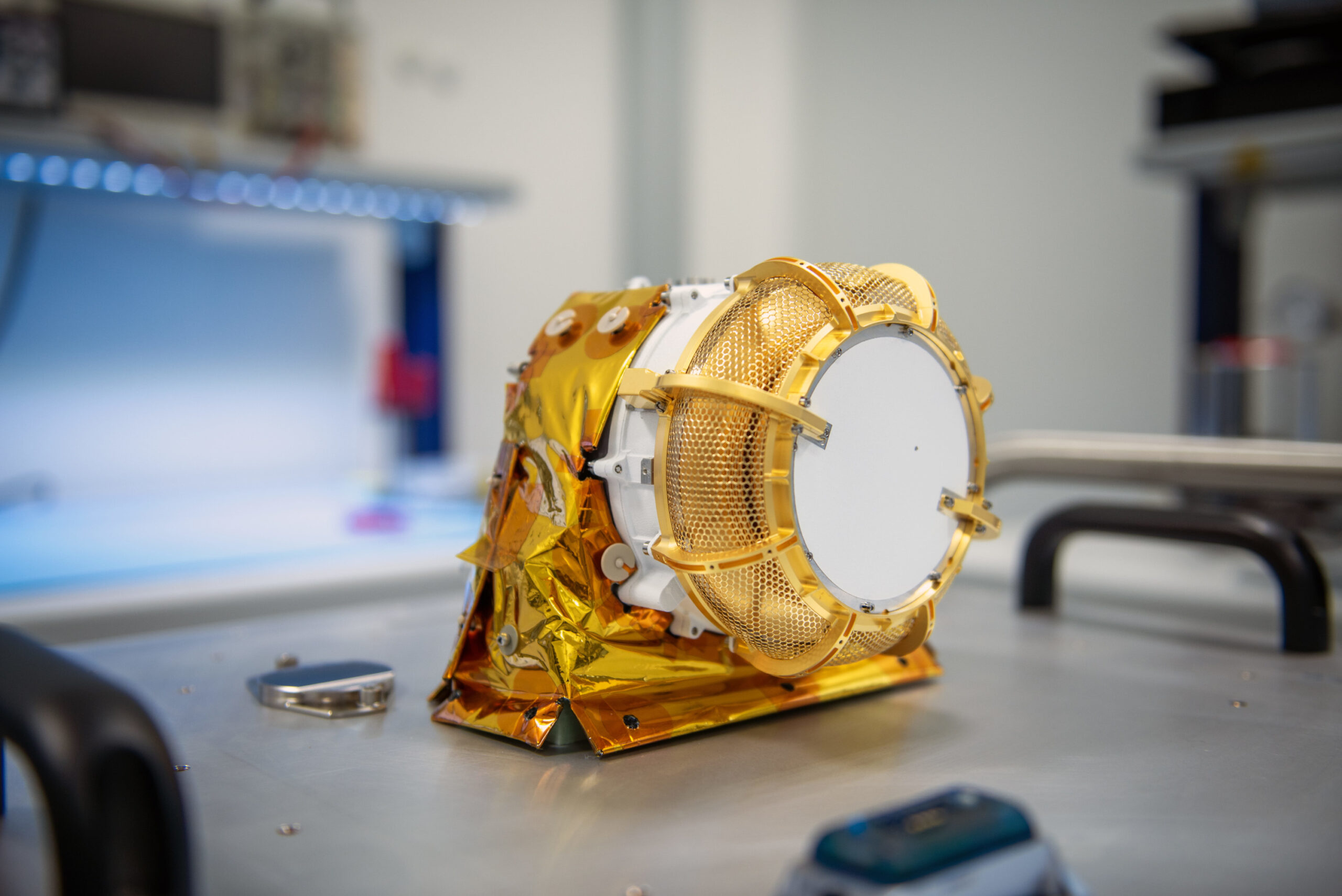
DELIVERY OF THE FLIGHT MODEL OF THE LEES INSTRUMENT FOR THE COMET INTERCEPTOR MISSION
The flight model (FM) of the Low-Energy Electron Spectrometer (LEES) instrument for which IRAP is responsible was delivered on May, 12 2026 to the Space Research Center (CBK) of the […]
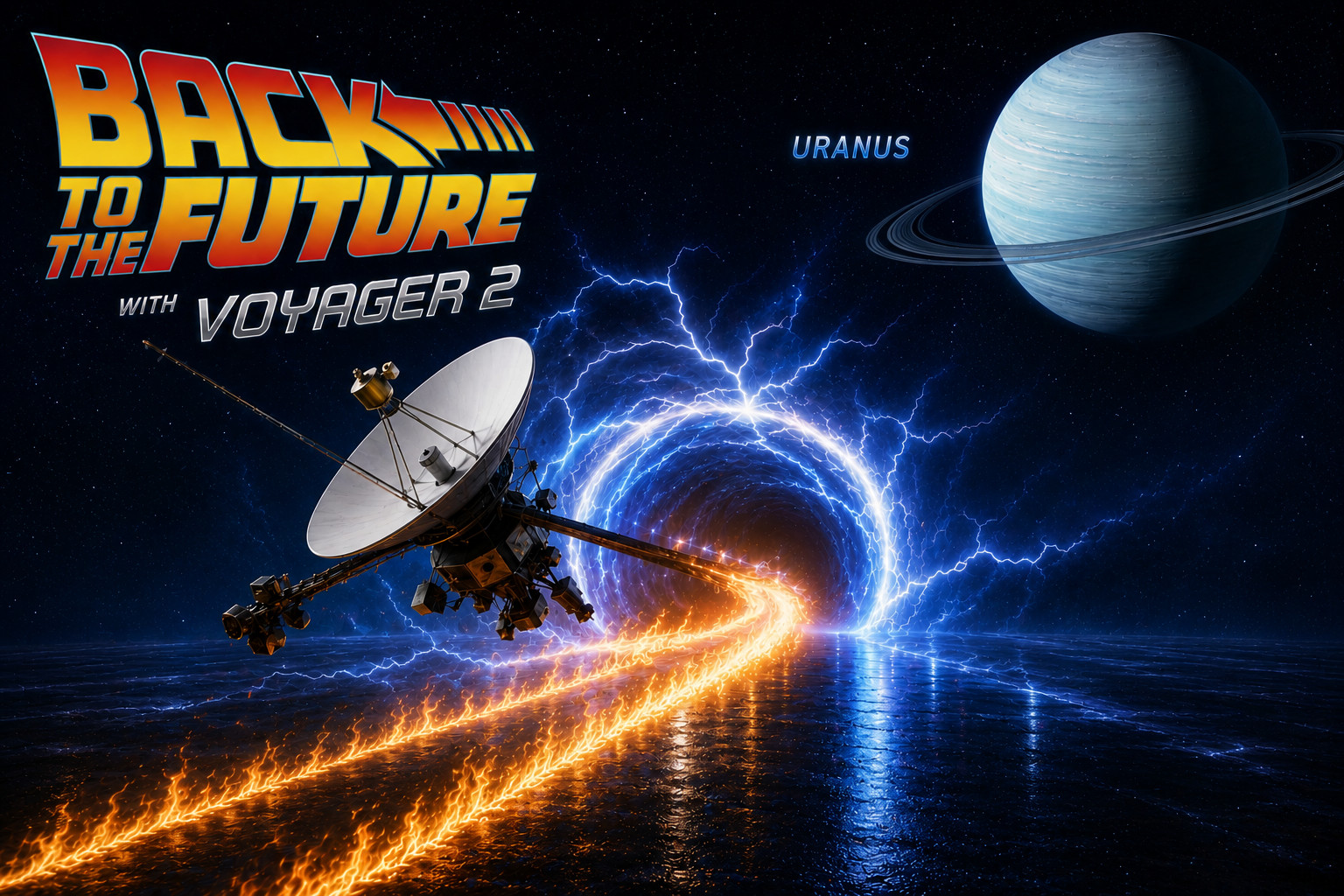
Back to the Future: viewing Uranus through an ENA camera
The Voyager 2 flyby of Uranus in 1986 portrayed a magnetospheric system now viewed as the reference for an extreme, asymmetric magnetosphere in our solar system. Flying a typical ENA […]
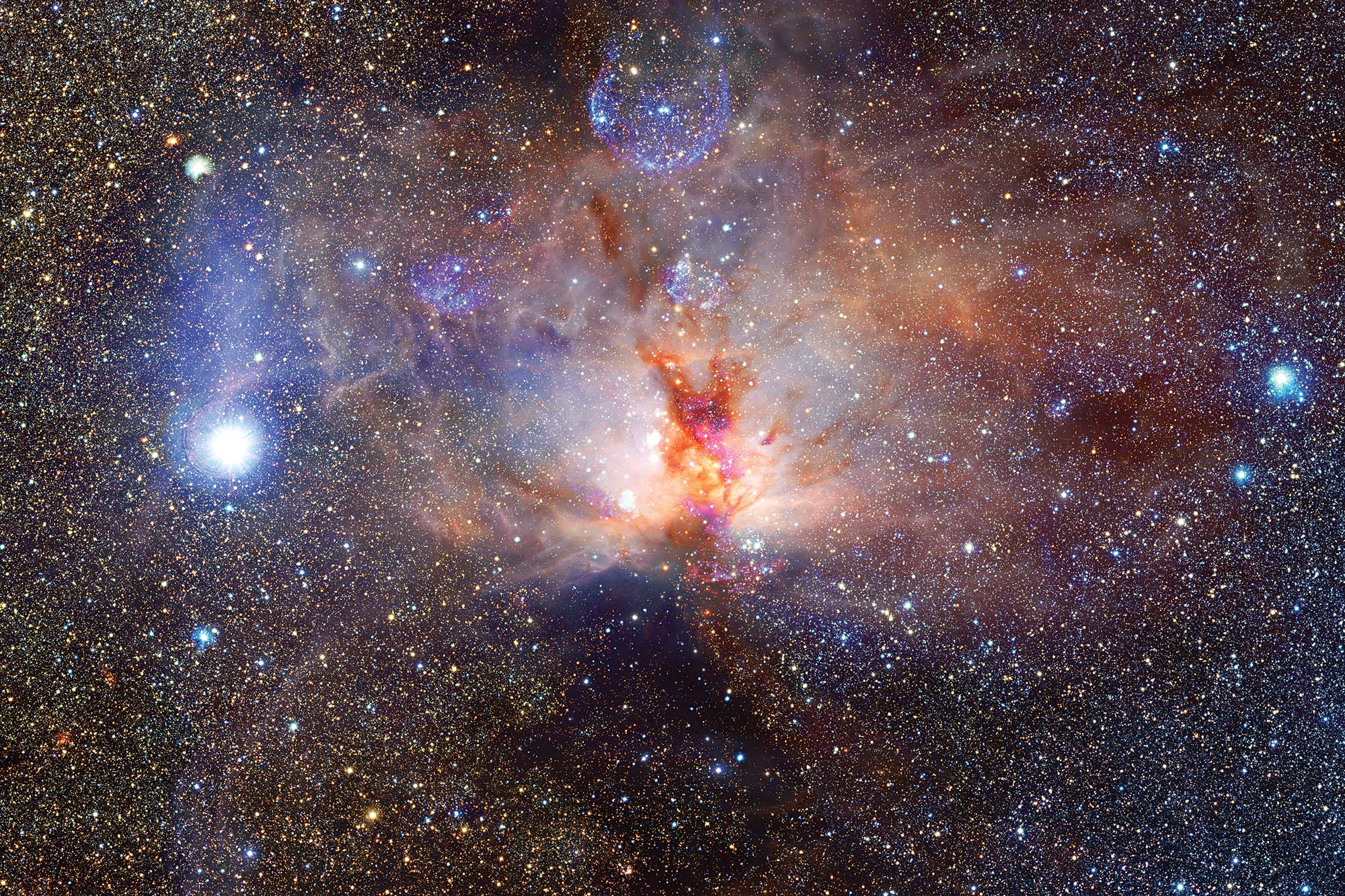
How laboratory astrophysics can help us understanding the formation of stardust. The case of silicon carbide.
Silicon carbide is a major component of stellar dust. Experimental simulations using the Stardust machine (ICCM-Madrid) have shown that silicon carbide nanograins can form from carbon and silicon atoms, and […]
Nous utilisons des cookies pour vous garantir la meilleure expérience sur notre site web. Si vous continuez à utiliser ce site, nous supposerons que vous en êtes satisfait.