First ever live observation of the rotation of a planetary nursery
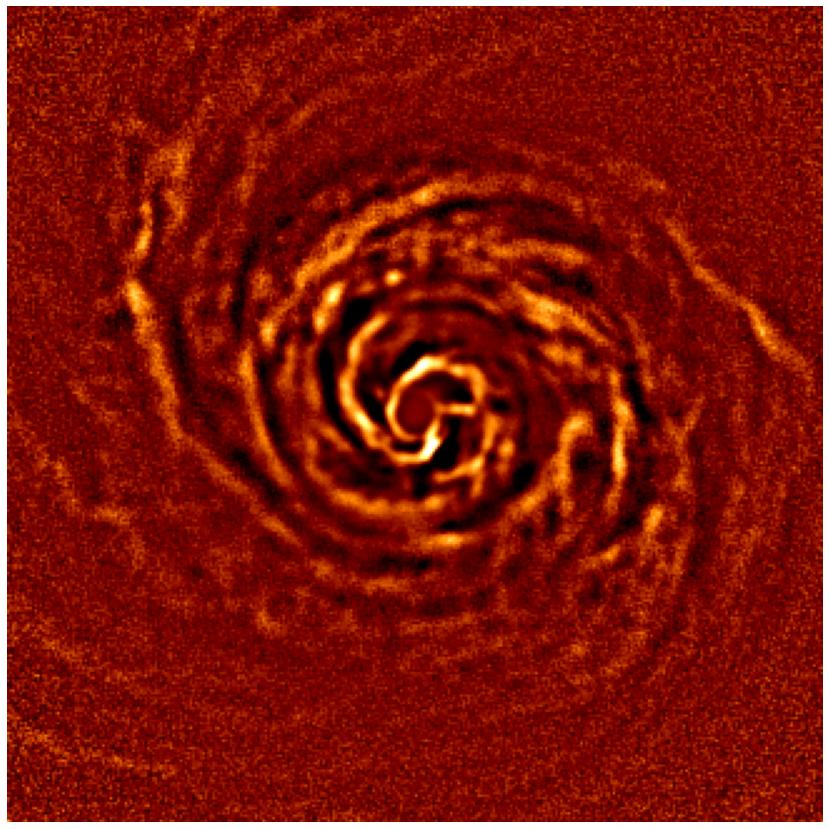
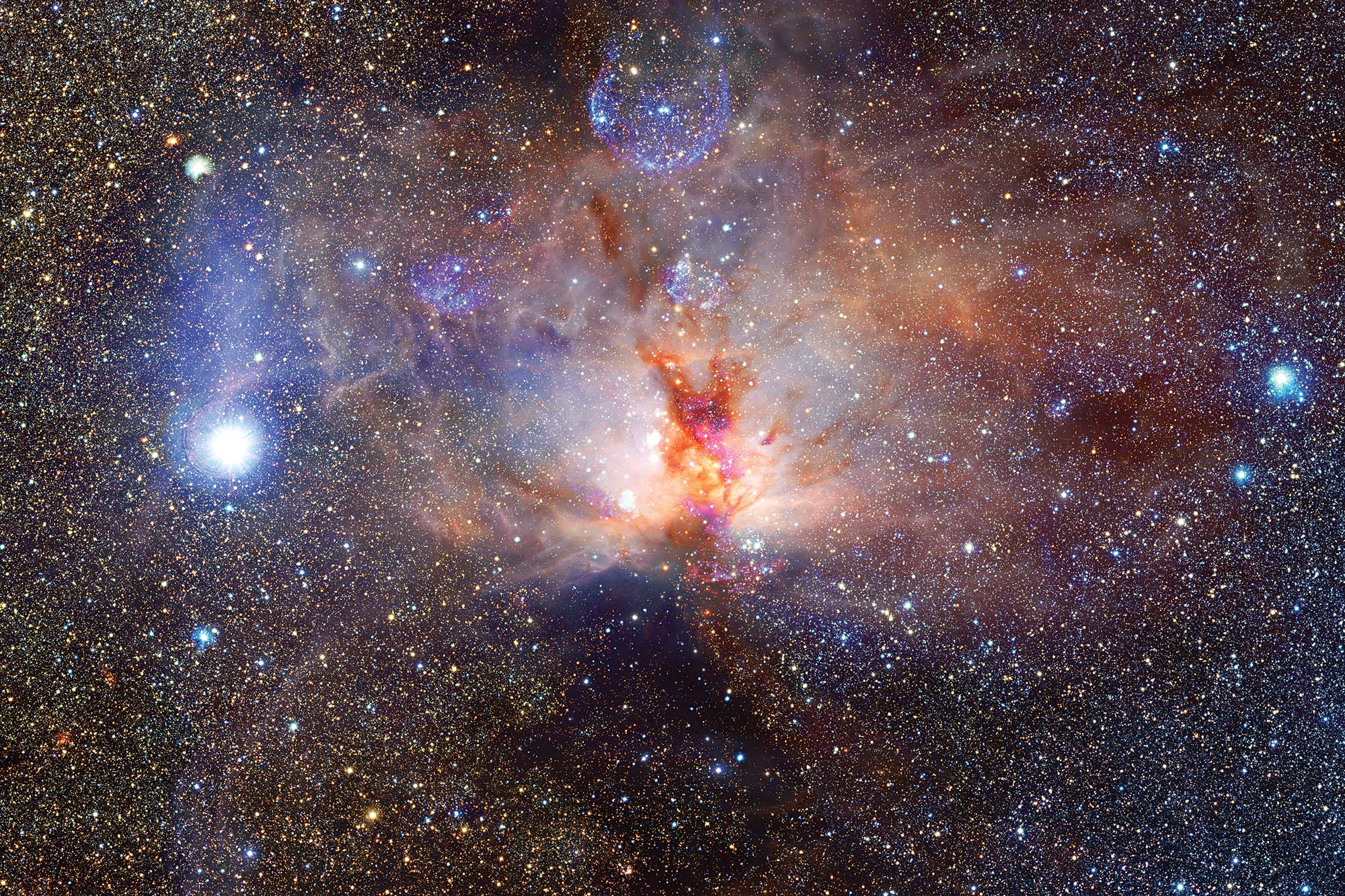
The rotation of a protoplanetary disc (a disc where planets are being formed) has been observed directly for the very first time by mapping the emissions from the dust grains […]
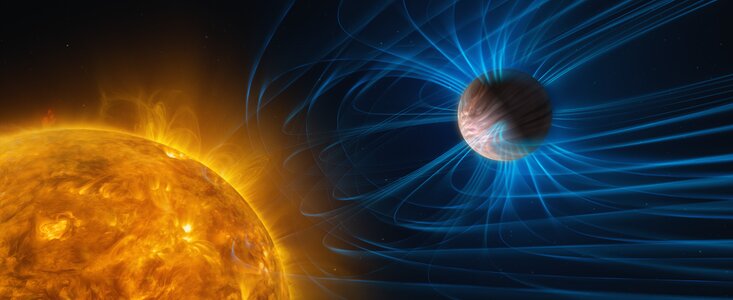
A team of astronomers has found the strongest evidence yet that some planets outside our Solar System may be magnetic. Using the European Southern Observatory’s Very Large Telescope (ESO’s VLT) […]
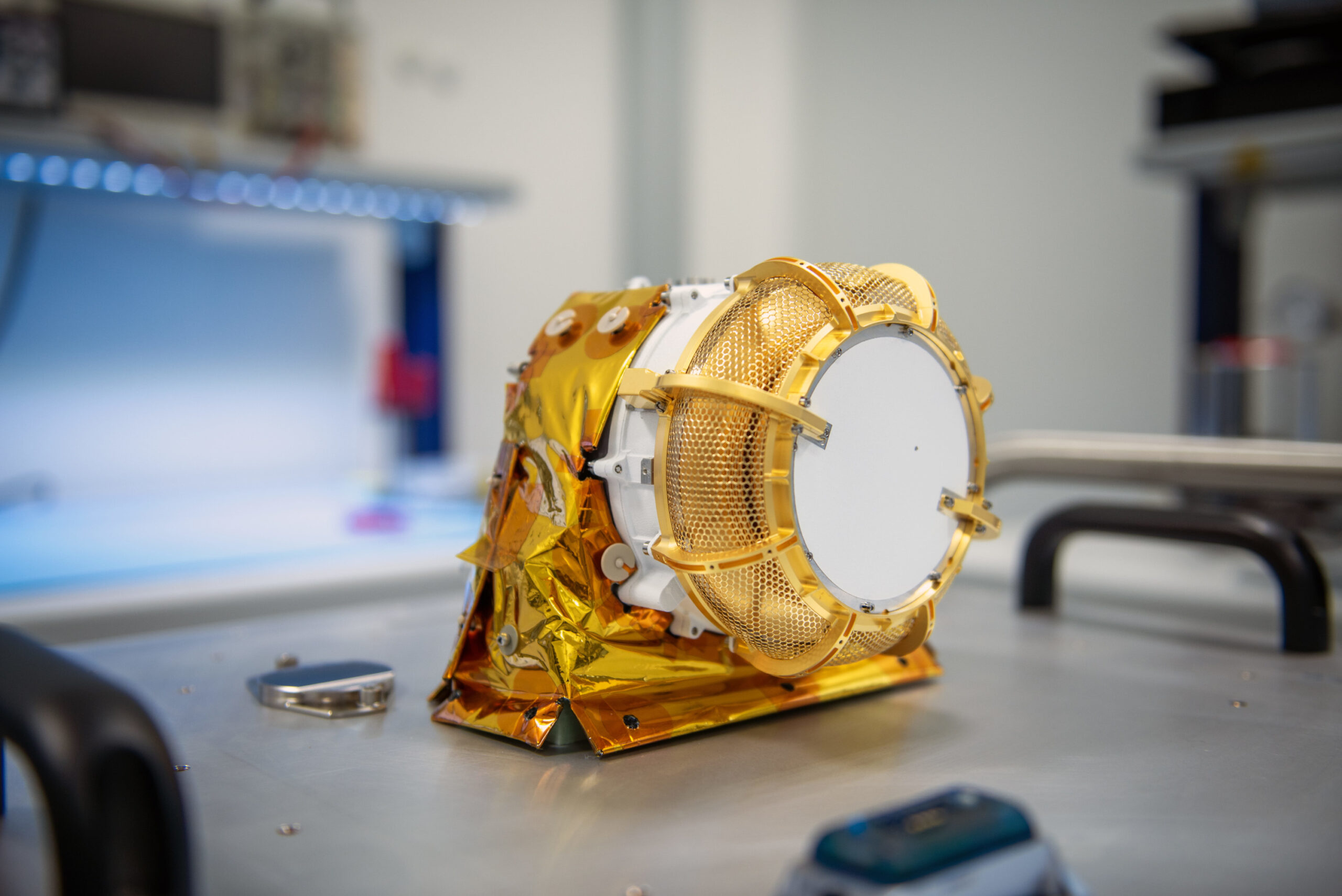
The flight model (FM) of the Low-Energy Electron Spectrometer (LEES) instrument for which IRAP is responsible was delivered on May, 12 2026 to the Space Research Center (CBK) of the […]
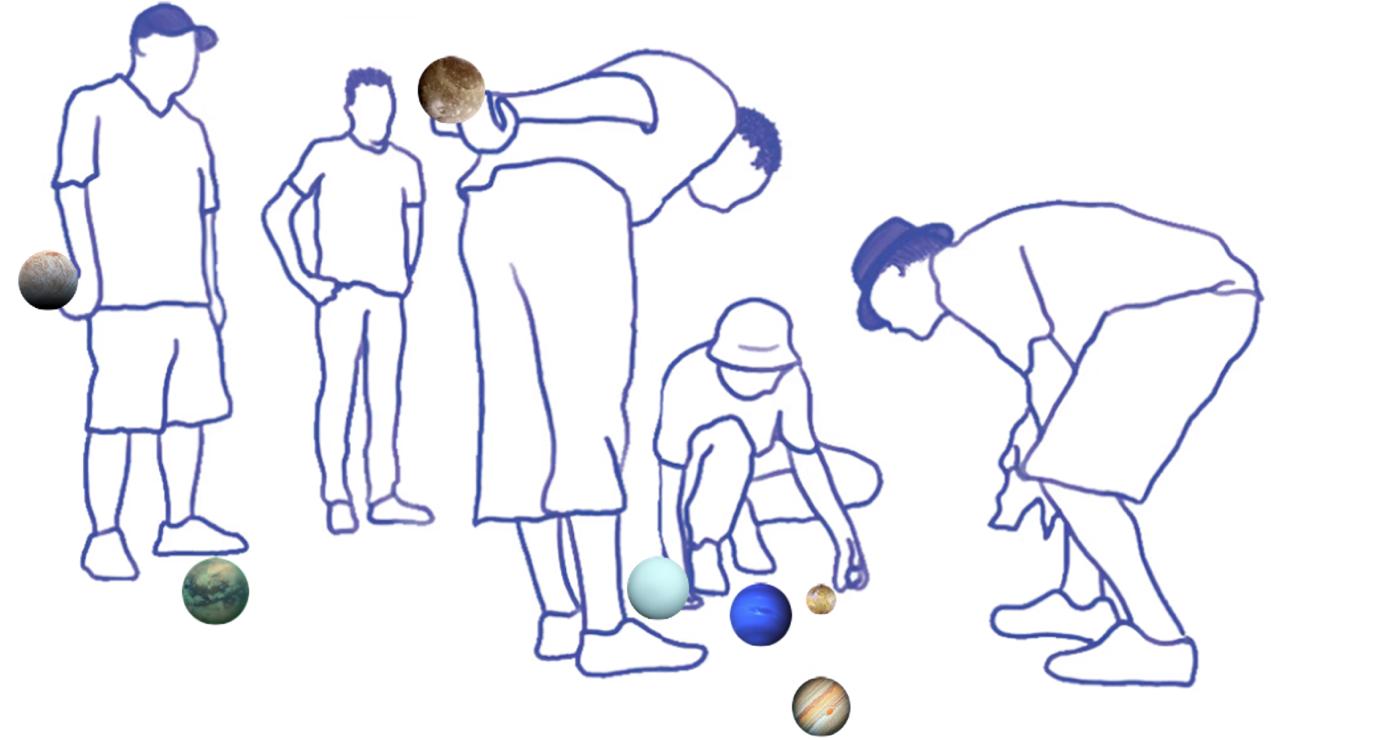
The Voyager 2 flyby of Uranus in 1986 portrayed a magnetospheric system now viewed as the reference for an extreme, asymmetric magnetosphere in our solar system. Flying a typical ENA […]
Silicon carbide is a major component of stellar dust. Experimental simulations using the Stardust machine (ICCM-Madrid) have shown that silicon carbide nanograins can form from carbon and silicon atoms, and […]
The SVOM (Space-based multi-band Variable Object Monitor) mission officially began its operational phase on April 23, 2025. The review panel for our first operational review (REVEX), held at the IAP […]
The structure and dynamics of the Martian mantle are still poorly understood. Recently, a team of researchers proposed that Mars’s mantle contains a large number of heterogeneities inherited from the […]
An international team comprising scientists from CNRS Terre & Univers and CNRS Physique observed an exceptional blue aurora at mid-latitudes, revealing unprecedented conditions of interaction between solar particles and the […]
An international scientific team, including scientists from IRAP and led by LPP, has revealed, using data from the Cassini mission, that the interaction between Saturn and its moon Enceladus is […]