
Grains from asteroid Bennu analyzed at the University of Toulouse
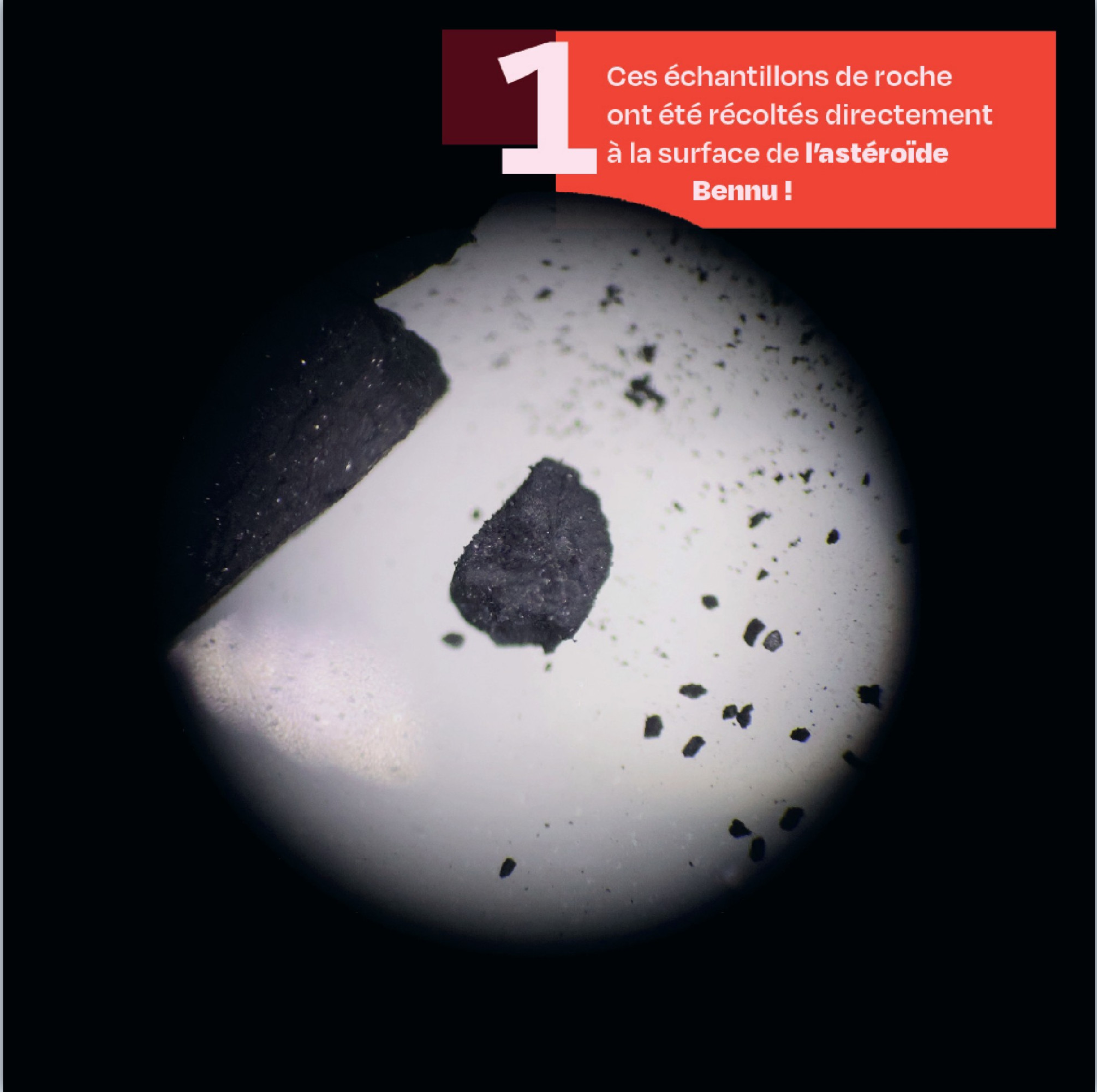
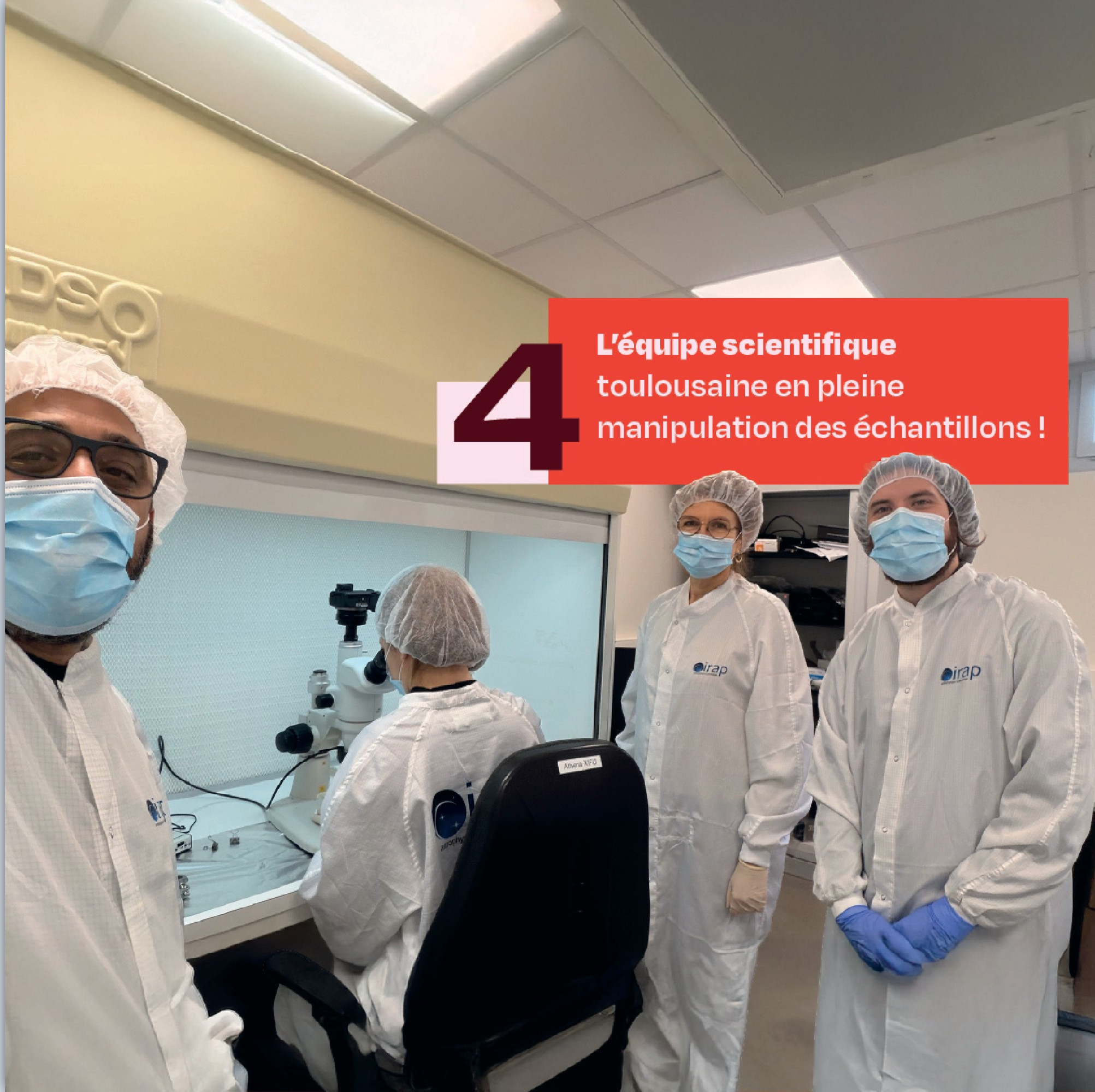
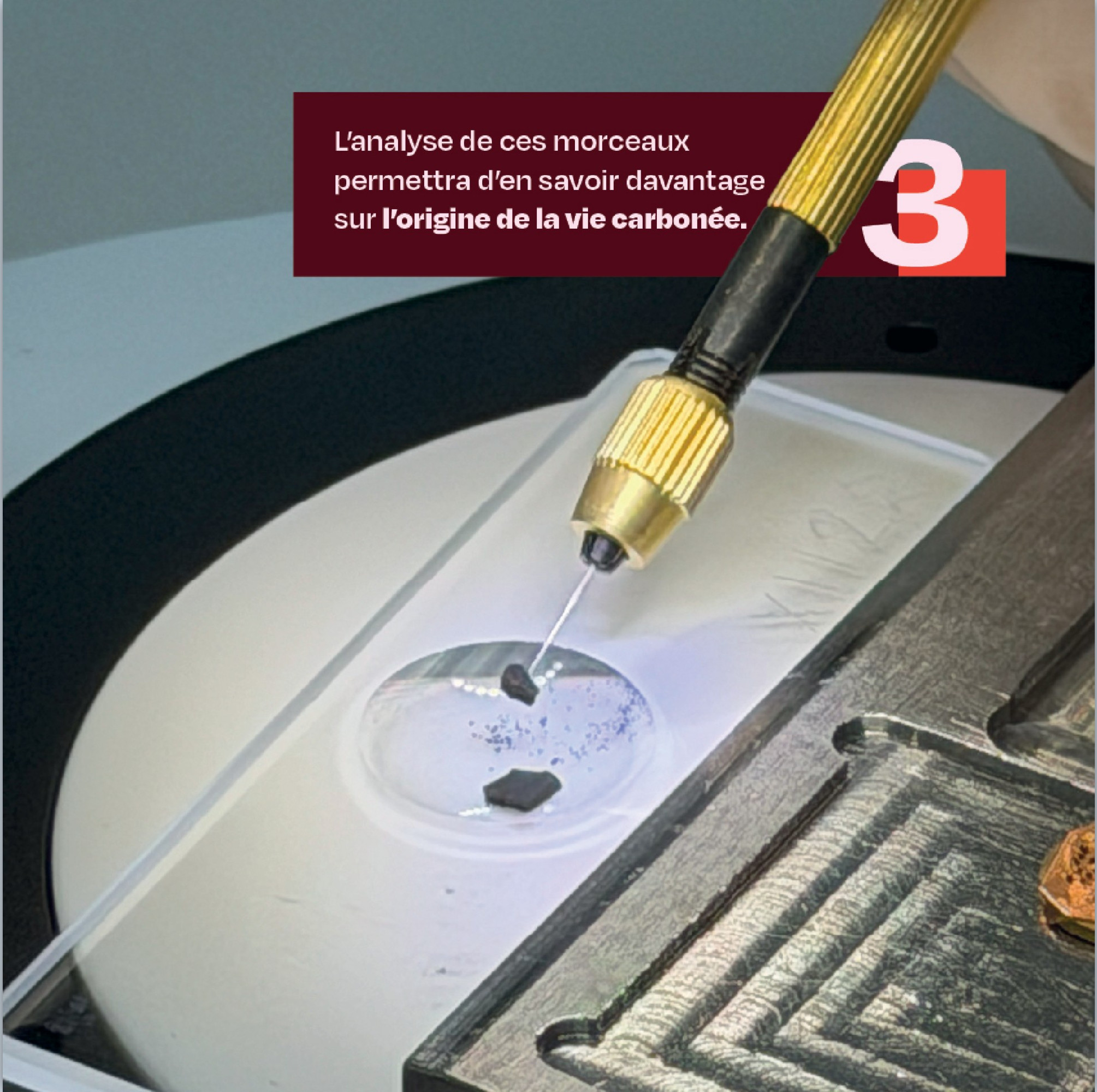
At IRAP (CNRS, CNES, University of Toulouse), the AROMA molecular analyzer, a highly sensitive mass spectrometer employing a two-step laser desorption/laser ionization technique, enables the study of exceptional samples: grains from asteroid Bennu, collected by NASA’s OSIRIS REx mission (sampled in 2020, returned to Earth in 2023).
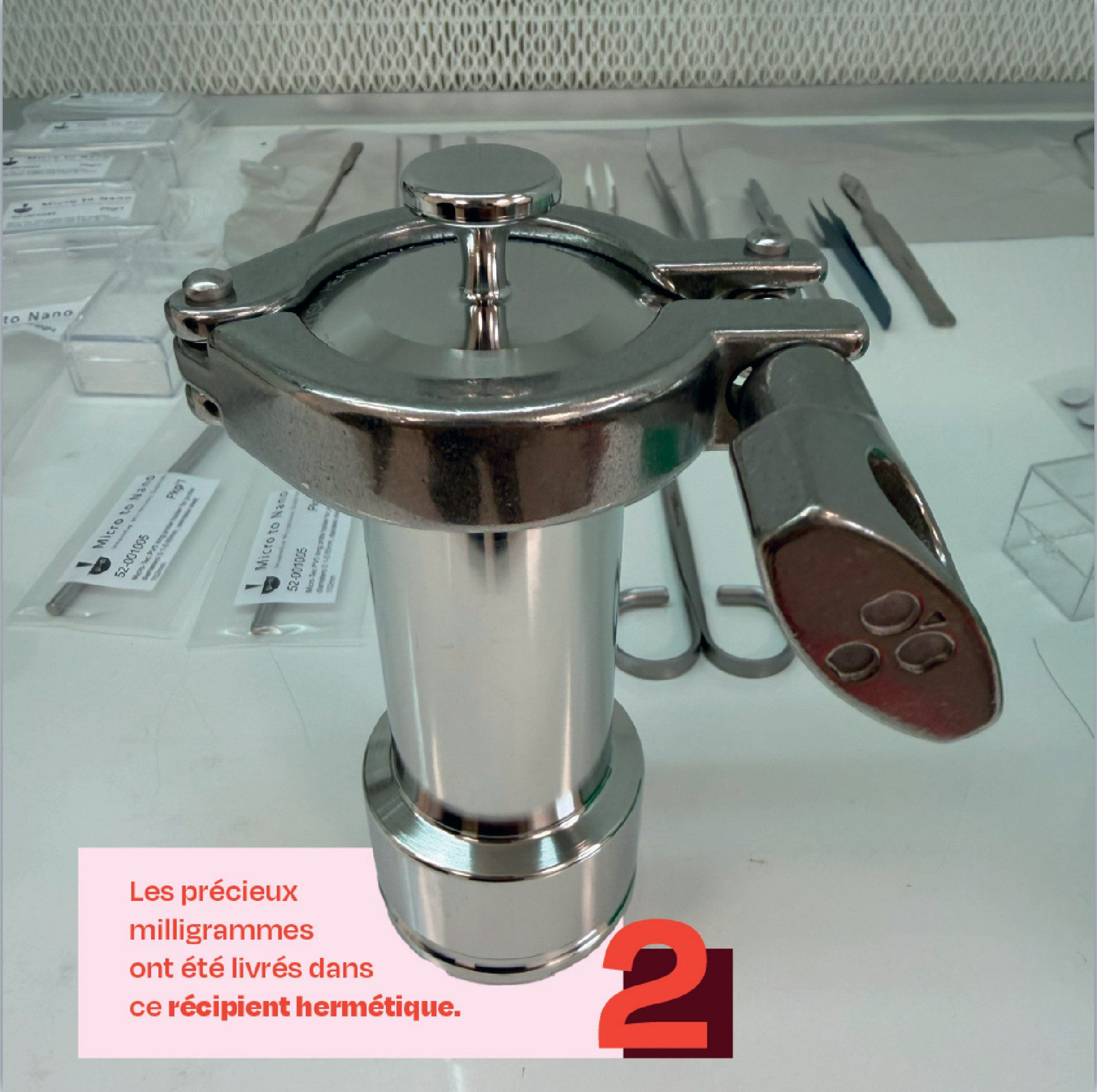
During NASA’s first call for proposals, 56 requests were reviewed, covering about 140 samples. Due to strict allocation limits, only 20 samples were approved — including the 19 mg received here in Toulouse, a privilege that underscores the scientific excellence of the Université de Toulouse and IRAP.
The research conducted focuses on large polycyclic aromatic hydrocarbons (PAHs) and fullerenes. PAHs are complex organic molecules composed of fused benzene rings, while fullerenes are spherical carbon structures. These molecules are particularly important because they provide key insights into the origin and evolution of complex carbon compounds – from dying stars to the interstellar medium, and ultimately to the primitive bodies of the Solar System.
IRAP contacts
- Christine Joblin, christine.joblin@utoulouse.fr
- Ghylaine Quitté, ghylaine.quitte@utoulouse.fr
- Hassan Sabbah, hassan.sabbah@utoulouse.fr